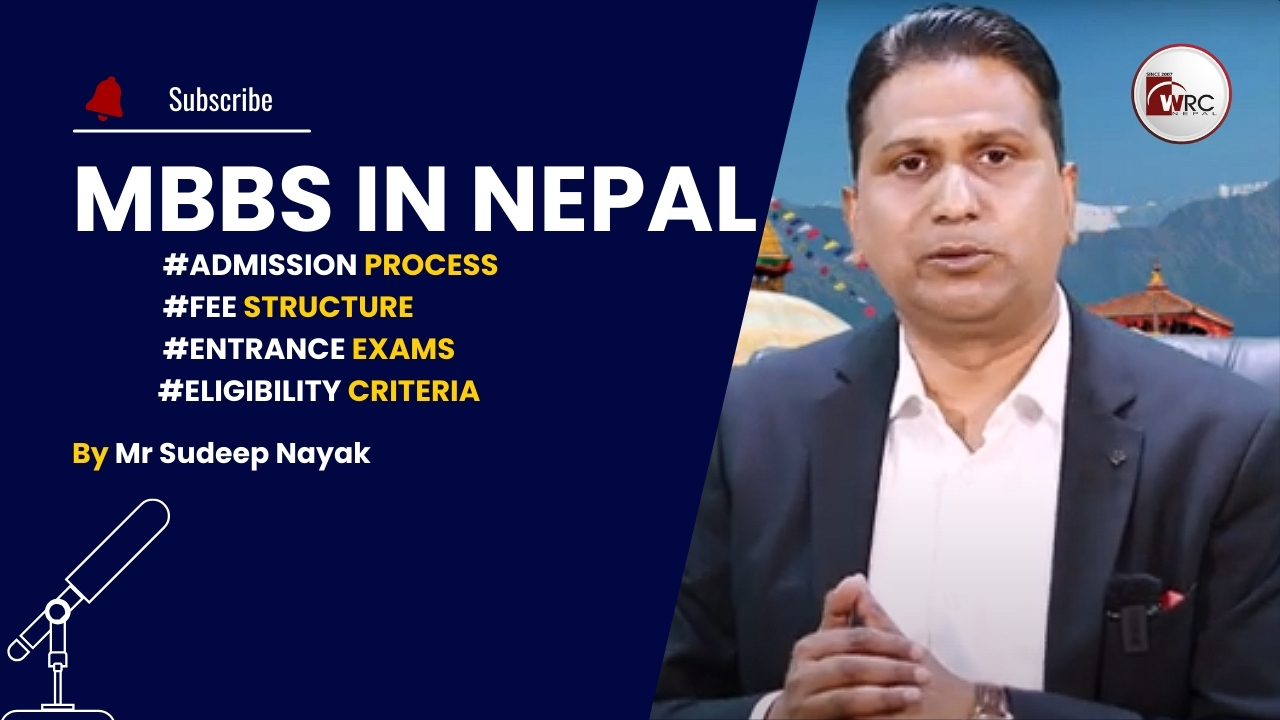
For many Indian students, the journey toward becoming a doctor does not end with clearing NEET. In fact, for those exploring options beyond India, that is where a more complex and often confusing phase begins-choosing the right pathway for medical education.
Students considering MBBS in Nepal frequently encounter a flood of information, advice, and promises from different sources. In this environment, one of the most critical decisions they make is choosing the right guidance. The quality of counselling they receive can directly influence not only their admission process but also their overall medical career trajectory.
Understanding what good MBBS counselling actually looks like is therefore essential for both students and parents.
Counselling Is Not Just About Admission
A common misconception is that counselling simply means securing a seat in a medical college. In reality, effective counselling goes far beyond the admission process.
Good counselling begins with understanding the student-academic background, NEET performance, career goals, and personal preferences. It then connects these factors with the right academic pathway.
For students planning to study MBBS in Nepal, counselling should not be limited to suggesting a college. Instead, it should provide a clear understanding of how medical education works in Nepal, how colleges differ from one another, and what kind of academic environment the student is likely to experience.
It Starts With Clarity, Not Promises
One of the strongest indicators of reliable counselling is transparency. Genuine guidance focuses on clarity rather than exaggerated claims.
Students should be informed about:
- Admission procedures and timelines
- Eligibility requirements
- Institutional differences
- Academic structure and expectations
Medical education in Nepal is regulated by the Medical Education Commission (MEC), and most recognised colleges are affiliated with universities such as Kathmandu University and Tribhuvan University.
Good counselling explains this ecosystem clearly, helping students understand where they are applying and why.
College Selection Should Be Personalised
Every student is different, and so is every medical college. A one-size-fits-all recommendation is often a sign of superficial guidance.
When evaluating the best medical colleges in Nepal, good counselling takes into account:
- Academic consistency of the institution
- Clinical exposure and teaching hospital facilities
- Learning environment and support systems
- Student’s academic capability and comfort
Instead of pushing a single option, the counsellor should help the student compare and choose among the top medical colleges in Nepal based on individual suitability.
This personalised approach ensures that the decision is not only informed but also sustainable in the long term.
It Should Address Real Questions, Not Avoid Them
Students and parents naturally have concerns when considering MBBS in Nepal for Indian students. These concerns may relate to academic quality, clinical exposure, future career pathways, or regulatory alignment.
Effective counselling does not avoid these questions-it addresses them directly and honestly.
When students receive clear answers, they are able to move forward with confidence. When answers are vague or overly simplified, it often leads to confusion later in the process.
Good counselling builds understanding, not dependency.
Process Guidance Is as Important as Decision Guidance
Another important aspect of counselling is guiding students through the actual admission process.
This includes:
- Explaining application procedures
- Helping with documentation
- Clarifying timelines and deadlines
- Preparing students for institutional requirements
For students pursuing MBBS in Nepal, having structured guidance during this phase ensures that they do not miss critical steps or make avoidable mistakes.
A well-guided process reduces stress and creates a smoother transition from planning to admission.
The Difference Between Information and Guidance
Today, students have access to a vast amount of online information. However, information alone is not enough.
Good counselling bridges the gap between information and understanding. It helps students interpret data, compare options meaningfully, and make decisions that align with their long-term goals.
Without this layer of interpretation, even accurate information can lead to confusion.
The Role of Trust in Medical Counselling
Medical education is a long-term commitment. The decisions made during the admission stage have lasting consequences.
This is why trust becomes a central element in counselling. Students and parents should feel confident that the guidance they receive is based on accurate information, not short-term incentives.
Platforms such as MyMBBSinNepal.com, supported by WRC Nepal’s experience in medical admission guidance, aim to provide structured and transparent counselling for students exploring MBBS in Nepal.
The focus is on clarity, verified information, and long-term academic alignment rather than quick admissions.
How to Recognise the Right Guidance
Before choosing a counselling partner, students should reflect on a few key questions:
- Is the information being provided clear and consistent?
- Are multiple options being explained or just one?
- Are questions being answered transparently?
- Is the focus on education or only on admission?
The answers to these questions often reveal the quality of counselling being offered.
Conclusion: Guidance Shapes the Journey
Choosing to pursue MBBS in Nepal is an important step toward a medical career. However, the path to that decision should be guided by clarity, understanding, and thoughtful evaluation.
Good counselling does not push students toward a decision-it prepares them to make the right one.
For Indian students and parents navigating the complexities of medical admissions, the value of genuine, structured guidance cannot be overstated. When counselling is done correctly, it transforms confusion into confidence and helps students begin their medical journey with direction and purpose.